Physical Address
304 North Cardinal St.
Dorchester Center, MA 02124
Physical Address
304 North Cardinal St.
Dorchester Center, MA 02124
Having worked on engines in the past, I know one simple truth: fewer moving parts mean fewer things to go wrong. That’s one of the big appeals of EV ownership for me — simplicity. But what really sealed the deal wasn’t just the engineering, it was the savings on running costs.
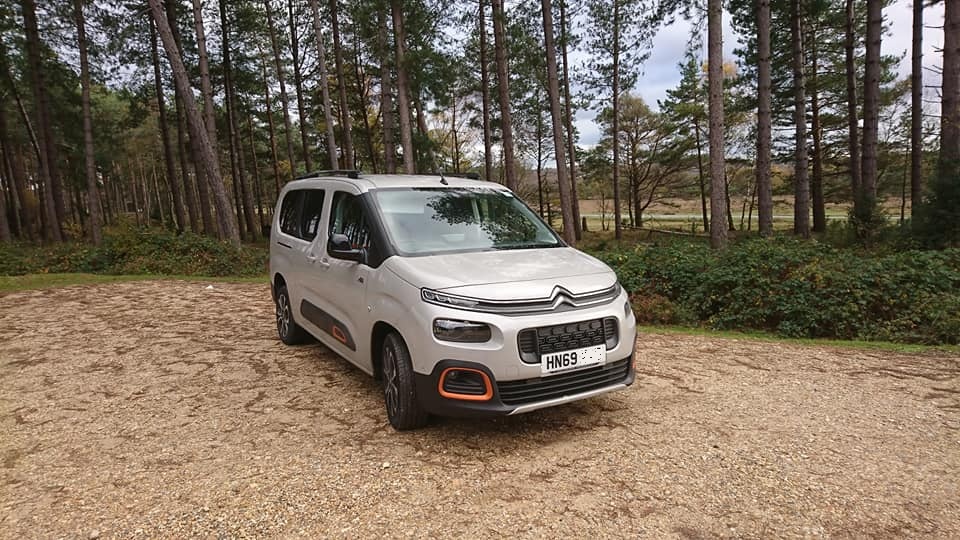
To put it in perspective, I compared my old Citroën Berlingo Diesel XL Flair with the electric version of the same car. On the surface, the EV was noticeably more expensive to buy. But once I crunched some basic numbers, the picture changed.
With the diesel, my average monthly mileage meant spending £180–£220 a month on fuel. With the EV, if I only charged at home, the cost dropped to about £60 a month. That’s a saving of over £150 every single month — even after accounting for the higher car payments, I was still better off.

Of course, there are plenty of other reasons to transition over to an EV. No more stopping at petrol stations (well, I’ll come back to this later). No road tax (although that perk is on borrowed time). And no horrible emissions — that one I can say without brackets.
Yes, some will argue that the extra weight of EV batteries leads to more tyre wear, which in turn creates air pollution, and that the manufacturing and transport process isn’t exactly squeaky clean either. Fair points. But for me, the bottom line is simple: nothing nasty comes out of the back of my car to poison the children breathing in our towns and cities.
And let’s not forget the little things that make a big difference: no more buying AdBlue for my old diesel Berlingo, and no more faffing about topping it up when I least expected it. One less chore, one less expense — and I don’t miss it at all.
Maintenance has also turned out to be cheaper. I now pay around £10 a month, compared to £18 with my old diesel. Car insurance, on the other hand, seems to be about the same. I’m still waiting for that magical turning point where getting older apparently means cheaper insurance… maybe it’s just a myth, who knows?
Plus I don’t need to use my left leg anymore. With an EV being automatic, there’s no clutch and no endless stop-start drama. And let me be clear — I hate stop-start systems. At least the ones I’ve had. They always seemed to get it wrong. You roll up to a junction, the engine cuts out, and then you’re sat there waiting three awkward seconds for it to splutter back into life. By that time, your gap’s gone, the car behind is honking, and your own car seems confused about whether to stop again or keep running.
In the EV, it’s blissfully simple. No hesitation, no guessing. Just press the pedal, and you’ve got everything instantly.
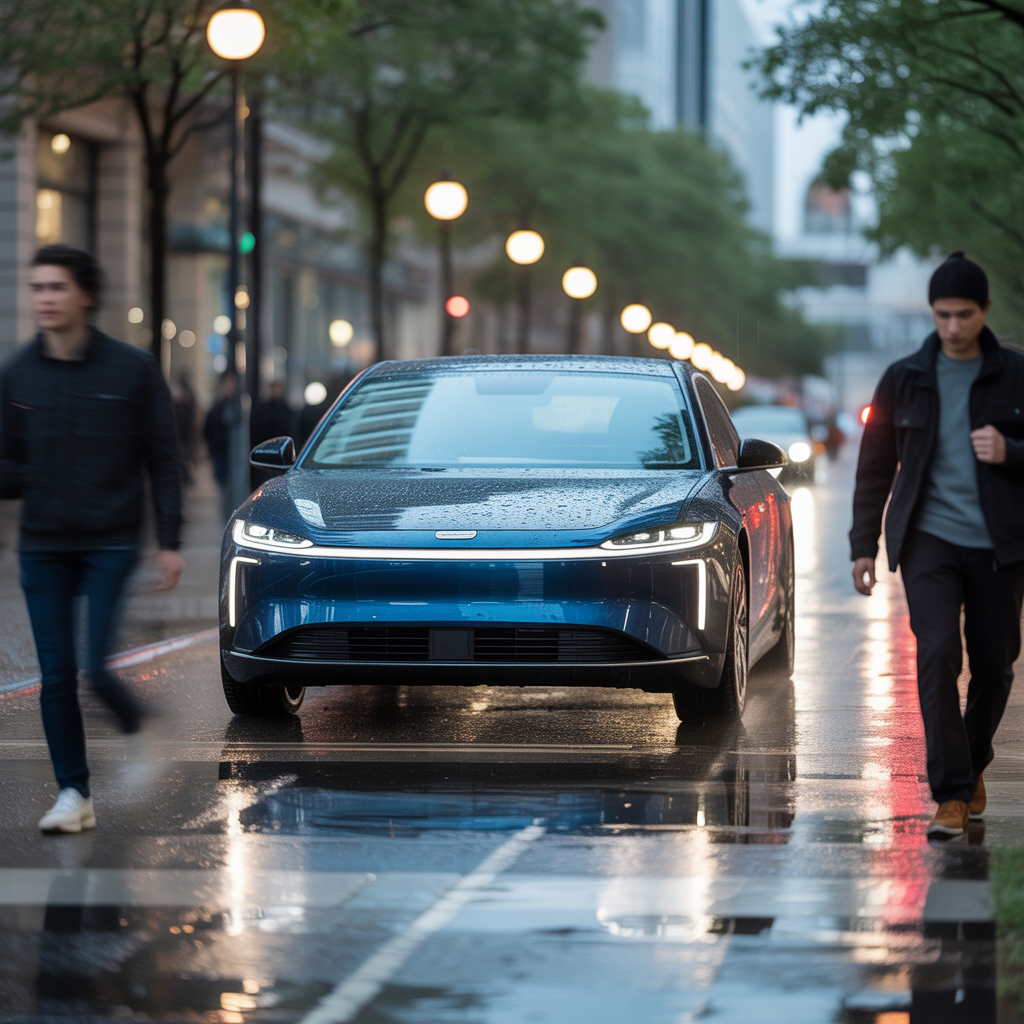
One of the quirks of EV life is the near-silent running. I’ve heard plenty of complaints about how “unnervingly quiet” they are, but let’s not forget something: only a few years ago, the Rolls-Royce Wraith was showered with praise for being so perfectly engineered that it eliminated engine noise both inside and out. Wow, amazing — silence in a car! Truly groundbreaking! I’ll just let that sit in the pot for a moment.
Fast forward to today, and suddenly silence is a problem. Electric cars now come fitted with artificial sound emitters (yes, really!) so they’re not too quiet. Even so, I still get my fair share of angry looks and eye-rolls when I creep past pedestrians in a car park.
Although, if more people glanced up from their phones — and maybe took out the headphones once in a while — it might be just a bit easier to notice an actual car rolling by.